Plant breeders need more than new EU regulations to master CRISPR-based gene editing
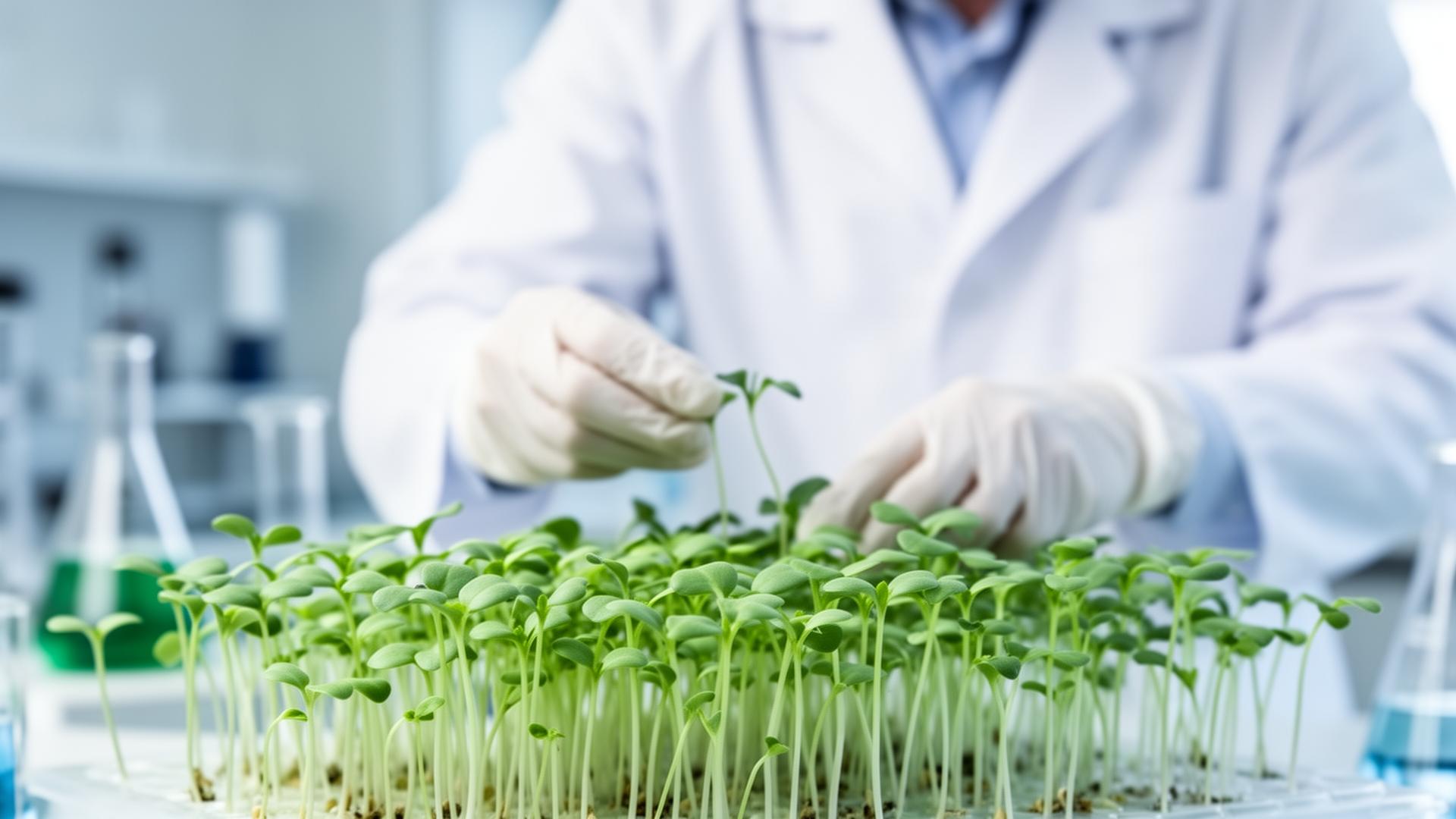
With the EU expected to implement a new regulatory framework for new genomic techniques (NGTs), including CRISPR-based editing, by 2027, plant breeders may soon get access to tools that have transformed human therapeutics for years. But access alone isn't enough. Unless we bridge the two communities, plant breeders will still have to reinvent much of what human medicine has already learned. TIDE Genetics aims to ensure plant breeders don't have to start from scratch.
The EU is in the middle of a major reform to create a dedicated regulatory framework for NGTs, such as CRISPR, to complement—and eventually modernize—the 2001 GMO Directive. The European Parliament's decision in 2024, which the European Commission expects to implement by 2027, marks a significant shift in attitude toward plant-based gene editing—despite Germany's long-standing opposition to the reform.
The reform will allow laboratories to breed genetically modified plants using technologies that produce genomic outcomes equivalent to those of conventional approaches.
These varieties include small edits, such as indels, but exclude insertion of foreign DNA. For plant breeders, the practical implication is stark. Engineering plant genomes is challenging because large genome sizes, cell-wall barriers, and widespread polyploidy make it difficult to introduce precise genetic changes. Traditional mutagenesis introduces thousands of random mutations, requiring breeders to screen large populations and spend years of backcrossing to yield a clean genetic background. By contrast, the gene-editing tools that the reform would allow can introduce specific genetic mutations with precision, enabling breeders to obtain desired traits more quickly and with less downstream breeding work.
We expect these changes to boost the plant-breeder community's adoption of gene-editing tools for large-scale, functional genome engineering. The new regulations will allow them to use them throughout the pipeline, beyond their current use as mere early-stage experiments.
However, with or without the reform, the plant-breeder community still lags behind. While the research community has used and developed gene-editing tools for approximately 30 years, starting with Zinc-Finger Nucleases (ZFNs) in the mid-1990s, their development has been highly reliant on mammalian gene editing. As a result, most of our knowledge and approaches to gene editing hinge on mammalian-specific in vitro and in vivo conditions.
To reap the benefits of the new reform, plant-based researchers must learn, implement, and expand on the editing and sequencing workflows developed by the gene-editing community over the decades.
Most advances in gene editing originate in oncology and developmental biology. Plant breeders rarely attend the same conferences, read the same journals, or share tools with those communities. In other words, the knowledge transfer has been largely one-directional, if it happens at all.
TIDE Genetics sits at that intersection and is currently working to introduce traditionally mammalian-focused knowledge of gene editing and sequencing into plant genetics through a paid collaboration with a major Dutch contract research organization (CRO). The project aims to avoid the high costs and delays associated with next-generation sequencing (NGS) using TIDE.
In essence, we're repurposing the established TIDE software to streamline protocols for distributing manipulated plant genomes into progressively split pools. This approach makes it easier to select pools containing the editing signals and can accelerate selection, eliminating the need to sequence plants individually. Given the low editing efficiency in the plant genome and the traditional reliance on NGS to detect these rare variants, the highly accurate Sanger-based TIDE approach will save significant time and costs.
The project grew out of initial conversations with the plant-breeding CRO, where the focus shifted from gene-editing approaches to optimizing screening efficiency. The pilot was successful, and with the 2027 reform set to accelerate CRISPR adoption in plant breeding, the demand for these workflows will only grow. The plant-breeding and gene-editing communities have long operated in parallel with little contact; TIDE Genetics is working to change that.
Please challenge us with gene-editing and screening projects that require efficient, cost-effective analyses. Whether mammalian or more complex plant cells, our team can help you optimize the protocols and advance your studies.